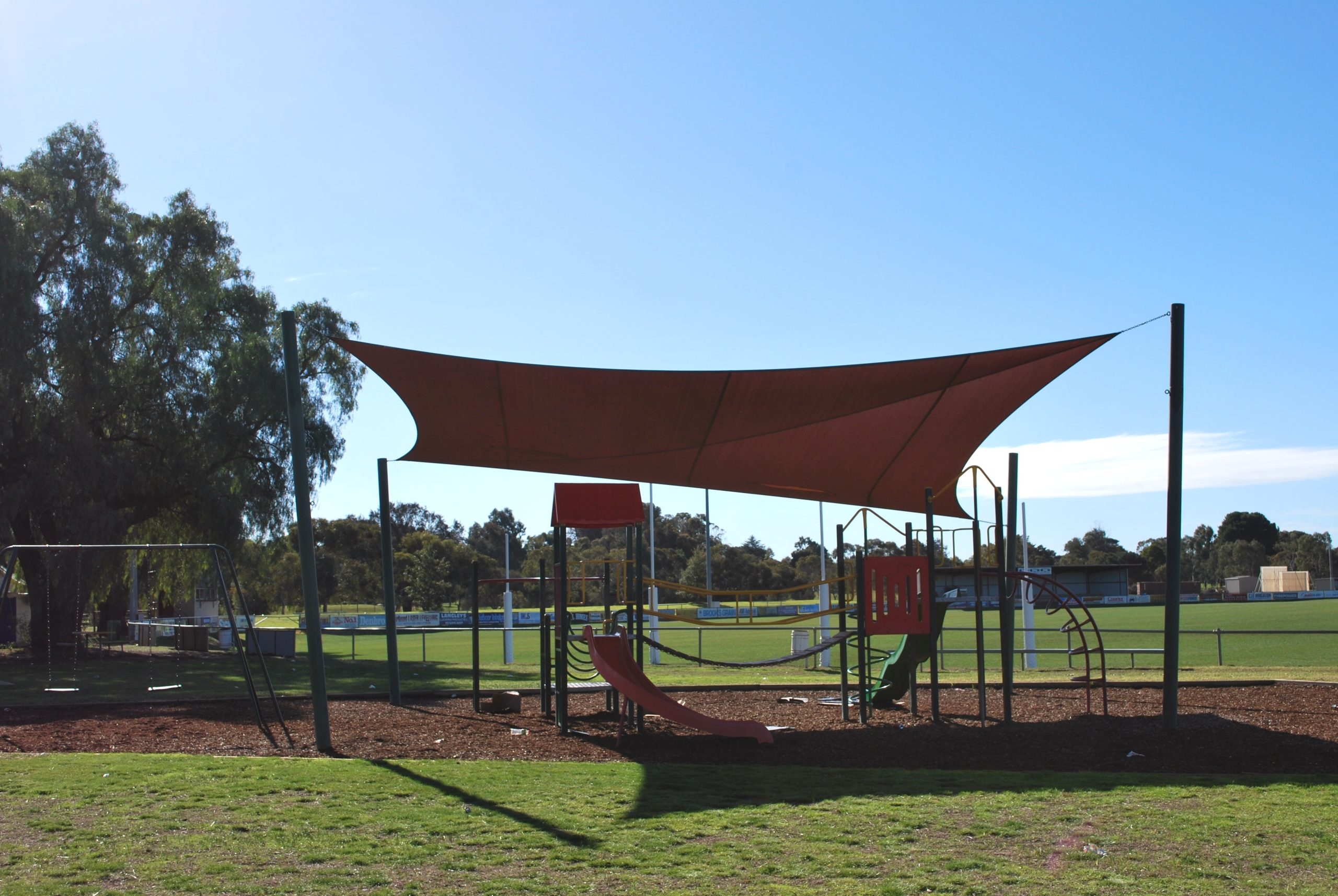
Selecting the appropriate covers and tarpaulins for all-weather use is a crucial consideration for anyone looking to protect their assets from the elements. Whether it’s shielding vehicles, outdoor furniture, or construction materials, having the right cover can make a significant difference in prolonging the life of these items. The key lies in understanding the specific requirements of your situation and choosing materials that offer durability, flexibility, and resistance to various weather conditions.
The first step in selecting an ideal cover or tarpaulin is identifying what needs protection. Different items require different levels of coverage; for instance, protecting a car demands a material that provides UV resistance to prevent paint fading while ensuring breathability to avoid moisture buildup underneath. On the other hand, covering construction equipment might necessitate heavy-duty tarpaulins capable of withstanding abrasions and tears.
Material choice is paramount when considering all-weather covers. Polyethylene tarps are popular due to their affordability and water-resistant properties. They are often treated to resist UV rays, which makes them suitable for short-term outdoor use. However, they may not be as durable under constant exposure as other options like vinyl or canvas tarps.
Vinyl tarps offer excellent durability and are waterproof rather than just water-resistant. This makes them ideal https://shade4you.eu/en_GB/c/COVERS-AND-TARPAULINS/184 for long-term applications where persistent rain or snow could be an issue. Their robust nature also provides good protection against wind damage thanks to their heavier weight compared to polyethylene alternatives.
Canvas tarps present another viable option known for breathability while offering moderate resistance against water penetration once treated with waterproof coatings. These are particularly useful when covering items that need ventilation but still require some level of moisture protection.
In addition to material considerations, size and fit play critical roles in effective weatherproofing solutions. A tarp that’s too small won’t provide adequate coverage while one that’s excessively large might lead to issues with securing it properly during high winds or storms.
Securing methods such as grommets placed along reinforced edges allow users flexibility in tying down covers securely using ropes or bungee cords without risking tear-outs during adverse weather conditions.
Finally, maintenance should not be overlooked; regular inspections help identify wear-and-tear signs early on so repairs can be made before minor issues escalate into major problems compromising protective capabilities altogether.